Blog post content
Safer Eating at Camp: Helping Children Enjoy Lunchtime Safely
At Barracudas, children’s safety is always at the heart of what we do, and that includes making sure mealtimes are as safe and enjoyable as possible.
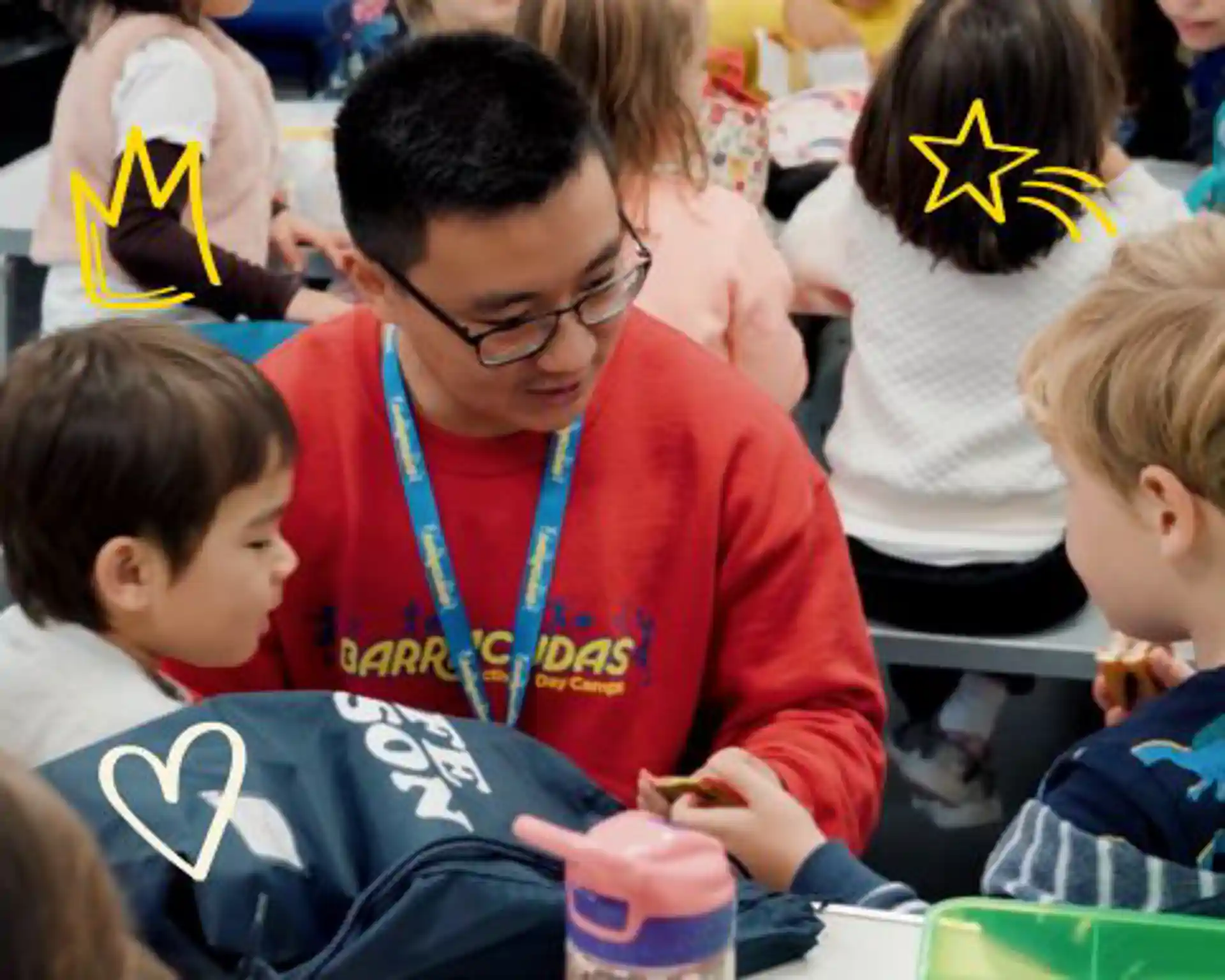
Eating together is a lovely part of the camp day. It gives children a chance to pause, refuel and enjoy chatting with their friends. As parents know, though, food safety, especially for younger children, does need a little extra thought. That’s why we follow clear safer eating guidance, in line with the EYFS framework, to help reduce the risk of choking and support children’s wellbeing.
Why safer eating matters
Choking can happen at any age, but younger children are more at risk because their airways are smaller and still developing. Some foods, particularly those that are round, hard, sticky or tricky to chew, can present more of a challenge if they’re not prepared in the right way.
With a bit of preparation at home, lunchtime and snack time at camp can stay relaxed, happy and safe for everyone.
Food preparation at camp
Barracudas camps don’t have access to kitchen facilities, utensils or food-preparation areas. Because of this, our staff aren’t able to cut, prepare or modify food during the camp day.
We kindly ask that all food is prepared at home and packed exactly as it will be eaten, including any cutting needed to help reduce choking risks.
For children aged 4–5 years:
Please ensure food is ready to eat, with all preparation completed at home. Very occasionally, staff may need to send food home if it hasn’t been prepared in a way that’s safe for this age group; for example, grapes or cherry tomatoes that haven’t been cut into quarters. If a significant part of a child’s lunch isn’t suitable, parents will be contacted at the time so we can talk it through and arrange a replacement lunch.
We understand that this may sometimes feel inconvenient, and we really appreciate your understanding. These measures are an important part of keeping children safe and form part of the updated EYFS framework.
Guidance for reducing the risk of choking (especially for under-5s)
When preparing food, a few simple steps can make a big difference. Fruit should always have stones and pips removed, and extra care should be taken with small, round foods such as grapes, strawberries and cherry tomatoes. Cutting these lengthways and into quarters helps make them safer to eat. Larger fruits like melon, along with harder fruits and vegetables such as raw apple or carrot, are best sliced thinly rather than given in chunky pieces.
For savoury foods, adjusting the shape and texture can help reduce choking risks. Sausages are safest when cut into thin strips rather than chunks, with skins removed. Any bones should always be removed from meat or fish. Cheese is easier to manage when cut into strips instead of cubes, and for younger children it’s best to avoid whole seeds, which can be difficult to chew and swallow.
Some foods are best left out altogether. Popcorn, marshmallows, jelly cubes from packets and hard sweets all pose a higher choking risk and shouldn’t be included. When it comes to bread, wholemeal or lightly toasted options are a better choice, as white bread can become doughy and stick in the throat. These small adjustments really help make eating at camp safer and more enjoyable.
Our No Nuts policy
Barracudas operates a strict No Nuts policy at all camps to help keep children with allergies safe. Please ensure no nut products are included in your child’s lunch or snacks.
Working together to keep children safe
We know how much care goes into preparing lunches, and we genuinely appreciate your support. By following these guidelines, you’re helping us create a safe, happy environment where children can focus on having fun, making friends and enjoying their time at camp.
If you’re ever unsure whether a food item is suitable, choosing a safer alternative is always a good option, or you’re very welcome to get in touch with our team for advice.
Together, we can make mealtimes at camp safe, relaxed and enjoyable for every child 💙