Blog post content
Supporting a grieving child: thoughts for parents on Grief Awareness Day
Grief is hard for adults and for children alike. On National Grief Awareness Week, it’s a meaningful moment to remember that children and young people often grieve quietly, and that as parents or carers you can make a big difference simply by being present, patient, and open. This blog is for you, whether you’re supporting a toddler or a mid-teen.
🌿 Why children need support (and how grief can show up)
Children do not always show grief in the same way as adults. Their understanding of death, their ability to talk about feelings, and the support they need changes as they grow. What seems “fine” on the surface, or what might look like “just being moody”, may hide real pain.
According to the UK’s health service guidance:
- Grief reactions can include changes in mood, behaviour, sleep or appetite, difficulties at school, or physical symptoms
- For children and young people, simply having a space to remember the person who has died, when they feel ready, can help
- Maintaining routines, while giving room for emotions, helps provide a sense of safety and normality
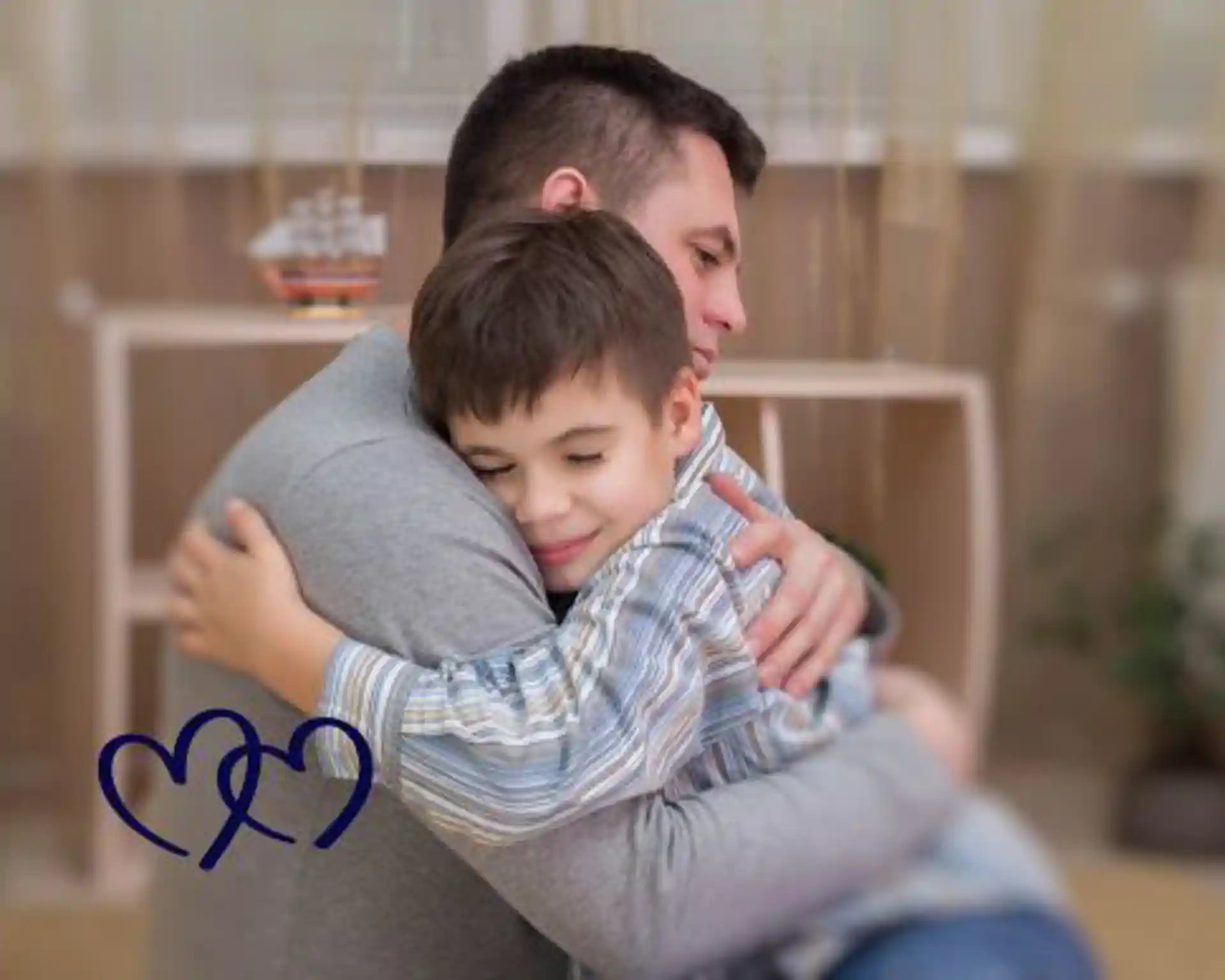
As a parent/carer, your role is not to “fix” their grief, but to hold a space where they can feel safe, listened to, and loved.
Age-appropriate support: from early years to mid-teens
Here are ideas and gentle guiding principles. Use what feels right, every child is different.
Early Years (0–5 / Preschool)
- Use simple, clear, honest language. Avoid euphemisms like “gone to sleep” or “away for a little while”; children often take these literally
- Give short explanations. For example: “Grandpa died, that means we won’t see him again, but we can still love and remember him.”
- Let them express grief in their own way: through play, drawing, simple questions, or even “repeating the story” many times. Young children often try to make sense of loss by revisiting it
- Keep routines as consistent as possible (bedtime, mealtimes, play), to provide security in a time of change
- Use tangible ways to remember: a small memory box, a photograph, or a drawing; items they can hold and look at
Primary Age (5–10)
- Be honest and age-appropriate: answer their questions, but don’t over-explain beyond what they ask
- Encourage memories: drawing pictures, telling stories, making memory boxes, things that help them keep the connection alive
- Allow emotion: sadness, anger, confusion. Let them know all feelings are normal. Don’t shut down their attempts to express grief; let them lead
- Keep routines and structure where possible (school, bedtime, meals), but be flexible and gentle on days when they feel overwhelmed
- If you feel able, share your own feelings. It shows them they’re not alone; grief does not have to be “silent.”
Tweens (10–13 years)
- Be open to their questions and revisit conversations over time, because their understanding may evolve. Be ready for repeated questions as they try to make sense of things
- Offer choices around participation in mourning rituals (funerals, memorials): some may want to attend, others may not. It’s helpful to frame events as a chance to remember and celebrate life
- Encourage expression, but don’t force it. Writing, drawing, music, hobbies can offer a space for feelings. Some may prefer to talk; others might need time
- Keep lines of communication open: at home, at school, with friends. Grief can affect relationships, behaviour, concentration. Being alert helps you notice if they’re struggling
- Maintain routine, but also create safe spaces, times when grief is allowed: maybe a weekly “memory time,” a quiet check-in, or a walk together
Mid-teens (13–16 years)
- Respect their growing autonomy while letting them know you’re available. Teens may want space, but still need a caring, watchful adult around
- Encourage peer or group support: for some, talking to someone their own age who’s experienced loss can feel more natural. Organisations like Winston’s Wish offer support including chat, text or online tools
- Normalise grief and complex feelings: guilt, anger, confusion, or even relief and reinforce that all reactions are valid. Remind them there is no “right way” to grieve
- Keep communication open about mental health. Teens can mask distress or try to “keep it together.” If you notice persistent low mood, withdrawal, or concerning changes. Consider seeking professional help
- Give them space to remember, but not pressure. Maybe a memory box, a written letter, a playlist, or a creative project. Let them choose their own way of honouring the person who died
Practical habits that help for all ages
- Be honest, simple and age-appropriate. Using clear, direct language helps children understand and avoid confusion
- Keep routines where possible. Normal rhythms of life bring security, which supports emotional wellbeing
- Create space for memory and remembrance. Memory boxes, photos, storytelling, these anchor the child’s experience of loss and connection
- Listen more than you speak. Let them lead. Accept their feelings without trying to “fix” them. The reassurance of being heard is powerful
- Take care of yourself. Grief affects everyone. Parenting while grieving yourself makes supporting a child harder. You deserve support too; emotional, practical, community-based
Where to turn for extra support
If at any point grief feels too big, or you want outside help, these organisations provide great support for families and children:
- Cruse Bereavement Support. Helpline: 0808 808 1677. Free, confidential support for children, young people and adults.
- Child Bereavement UK. Helpline: 0800 02 888 40. Offers support to families and carers, including group sessions, webinars and guidance.
- Winston’s Wish. Specialist support for bereaved children and young people (under 25), with helpline, online chat, and bespoke resources.
- School and community support. Notify your child’s school or carers, and ask what support might be available. Teachers or school counsellors can sometimes provide extra emotional support or signposting. NSCPP advice.
Final thoughts
Grief doesn’t follow a timetable. It might come in waves, or return unexpectedly at anniversaries, birthdays, or big life changes. As a parent or carer, the best gift you can give is a safe, loving space: one where the child knows it’s okay to feel sad, angry, confused, or even numb.
You don’t have to have all the answers. Being honest, being present, and listening, those alone matter. And if things feel too heavy, it’s okay to reach out for help.