Blog post content
Raising Kind Kids: Simple Ways to Encourage Kindness Every Day
World Kindness Day, 13th November
Kindness is one of those things we'd all love our children to carry with them as they grow. Whether it's including someone in a game, helping a friend who's struggling or simply offering a smile, small acts of kindness can make a big difference.
With World Kindness Day taking place on 13th November, it's a lovely reminder of how important kindness is, not just for others, but for our children's own happiness, friendships and confidence too.
The good news? Encouraging kindness doesn't have to involve grand gestures or serious conversations. Often, it's the little things we do every day that help children learn to be thoughtful, caring and considerate of others.
Here are some simple, practical ways to encourage kindness in children, whatever their age.
1. Show them what kindness looks like
Children pick up so much from watching the adults around them. The way we speak to people, respond when things go wrong and treat others in everyday situations can have a lasting influence.
You don't need to be a perfect role model (who is?), but small moments can make a difference.
Try these simple ideas:
Thank someone who's helped you and explain why you appreciate it.
Show patience when someone makes a mistake.
Offer to help a neighbour or family member.
Talk positively about people and celebrate their achievements.
You can also point out kindness when you see it. Something as simple as, "That was really thoughtful of her to help you," helps children recognise what being kind looks like in practice.
2. Help children understand how others feel
Empathy, being able to understand and consider someone else's feelings, is an important part of developing kindness.
For younger children, this might start with recognising when someone is happy, sad or upset. Older children can begin to understand that people experience situations differently and that their words and actions can affect others.
Easy ways to build empathy:
When reading together, ask how a character might be feeling and why.
Talk about situations at school or during activities: "How do you think they felt when that happened?"
Encourage children to consider different points of view.
Help them recognise when someone might need a little extra support or encouragement.
Try to keep these conversations relaxed rather than turning them into lessons. Sometimes a quick chat on the school run is all it takes.
3. Encourage small acts of kindness
Kindness doesn't have to be complicated. In fact, some of the most meaningful gestures are the simplest.
Encouraging children to look for opportunities to make someone else's day a little better helps kindness become a natural part of everyday life.
Why not challenge your child to try one small act of kindness each day?
Some ideas include:
Invite someone new to join a game.
Give a genuine compliment.
Help a sibling with something they're finding tricky.
Make a card or picture for someone.
Offer to tidy up without being asked.
Check in on a friend who's having a difficult day.
Say thank you to someone who might not always hear it.
For younger children, you could create a kindness jar, adding a colourful note each time someone in the family does something thoughtful.
For older children, encourage them to come up with their own ideas. Giving them the freedom to choose makes the experience feel more meaningful.
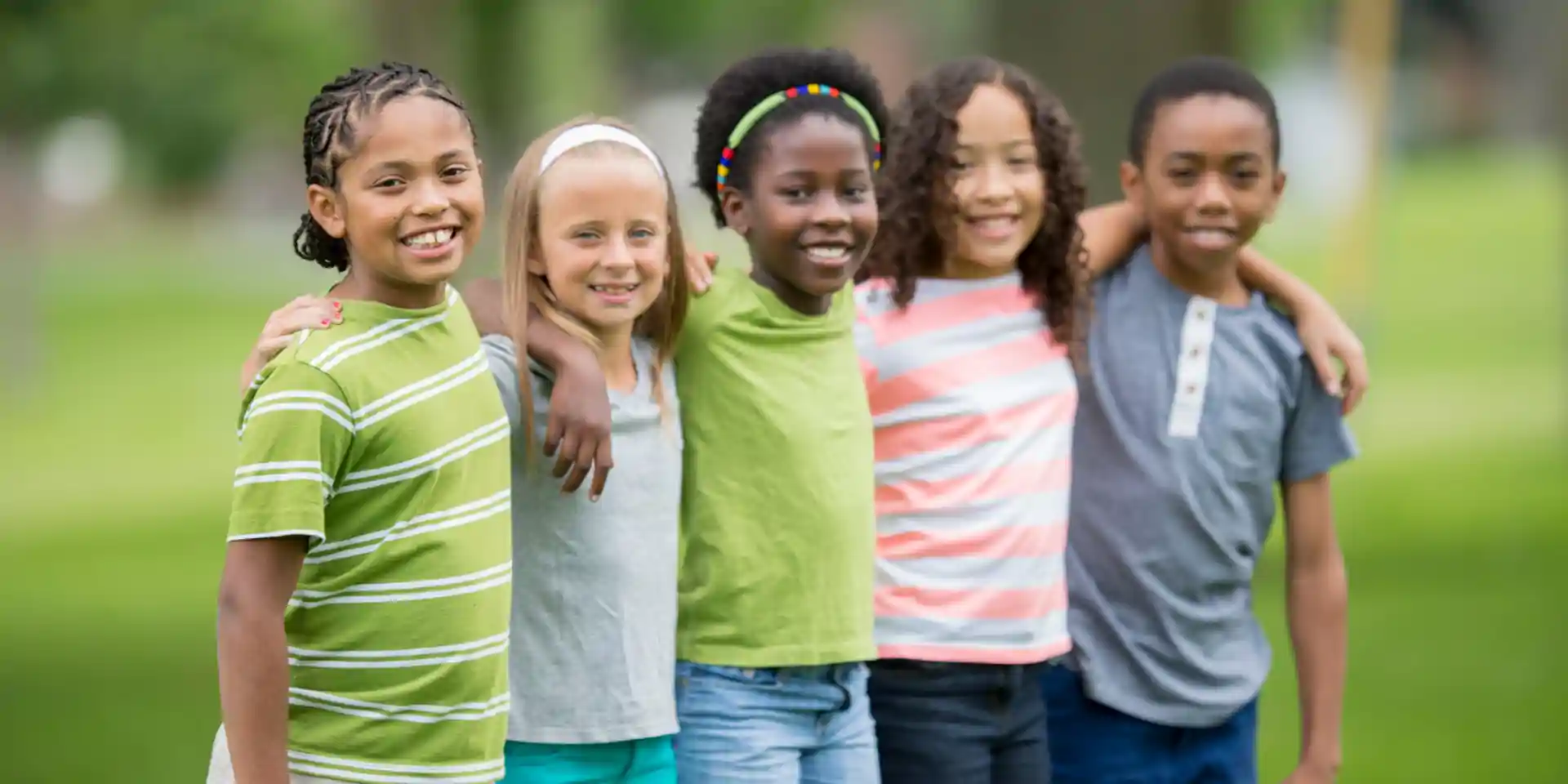
4. Teach children that kindness includes everyone
Friendships are a huge part of childhood, but navigating social situations isn't always easy.
Children naturally gravitate towards familiar friends, and sometimes others can feel left out without anyone intending to be unkind.
Helping children recognise these moments can make a real difference.
Encourage your child to:
Include others in games and group activities.
Be welcoming to children who are new or seem unsure.
Respect differences in interests, abilities and personalities.
Listen when someone else has something to say.
Speak up or seek help from a trusted adult if they see someone being treated unkindly.
It's also worth reminding children that they don't have to be best friends with everyone. Being kind means treating people with respect, even when they don't share the same interests or opinions.
5. Praise the effort, not just the outcome
When children show kindness, recognising their actions can encourage them to keep doing it.
Rather than simply saying "Well done", try being specific about what you noticed.
For example:
"I noticed you helped your brother when he was struggling. That was thoughtful."
"It was lovely that you invited someone else to join your game."
"You handled that disagreement really kindly."
This helps children understand why their actions mattered.
And remember, kindness shouldn't become something children do just to receive praise or rewards. The aim is to help them recognise how good it feels to make a positive difference.
6. Help them manage disagreements kindly
Let's face it, even the kindest children fall out with friends, argue with siblings or say things they don't mean when they're upset.
Learning to manage these moments is an important part of growing up.
Instead of expecting children to always get along, focus on helping them deal with disagreements respectfully.
Some useful approaches include:
Encourage them to explain how they're feeling without blaming or name-calling.
Help them listen to the other person's point of view.
Talk about what they could do differently next time.
Encourage genuine apologies and making amends when appropriate.
Remind them that it's OK to disagree while still being respectful.
It's also important for children to understand that being kind doesn't mean always saying yes. They can set boundaries, stand up for themselves and ask for help when someone treats them unfairly.
7. Make kindness a family habit
World Kindness Day is a great starting point, but the real benefits come from making kindness part of everyday family life.
You could introduce a simple family tradition that encourages everyone to notice and appreciate thoughtful actions.
A few ideas to try:
The kindness question: At dinner or bedtime, ask everyone to share one kind thing they did or experienced that day.
A family kindness challenge: Choose one thoughtful action each week, such as donating unwanted toys, helping a neighbour or making something for a relative.
The compliment game: Take turns saying something positive about another family member. It's a lovely way to build confidence and appreciation.
Celebrate kindness in others: When you spot someone doing something thoughtful, talk about it together.
Keep it light-hearted and fun. The aim isn't to add another task to an already busy family schedule, but to make kindness something everyone enjoys sharing.
8. Remember that being kind to yourself matters too
When we're teaching children about kindness, it's easy to focus entirely on how they treat others.
But learning to be kind to themselves is just as important.
Children can be hard on themselves when they make mistakes, struggle with something new or feel they don't measure up to their friends.
Help them understand that nobody gets everything right and that making mistakes is a normal part of learning.
Encourage positive self-talk, celebrate effort and remind them that it's OK to ask for help, take a break or try again tomorrow.
After all, kindness starts with understanding that everyone deserves patience and compassion, including ourselves.
Celebrating World Kindness Day together
World Kindness Day on 13th November is a wonderful excuse to spread a little extra positivity.
Whether your child chooses to make someone smile, include a new friend or simply offer a helping hand, every thoughtful action counts.
And while one day of kindness is lovely, helping children develop empathy, respect and consideration throughout the year is what really makes a difference.
The most important thing to remember? Raising kind children isn't about expecting them to be perfect. It's about giving them opportunities to learn, practise and grow.
Encouraging kindness at Barracudas holiday camps
At Barracudas, we believe every child should feel safe, welcome and supported while enjoying their school holidays. Our activity camps bring children together to try new things, make friends and have fun in a positive, inclusive environment.
We share our codes of conduct with children to help everyone understand the importance of treating others with kindness, respect and consideration. Through team games, shared adventures and our wide range of activities, we encourage children to support one another, celebrate differences and build positive friendships.
With our friendly, experienced staff on hand to offer guidance and encouragement, we aim to create an environment where every child feels included, valued and confident to be themselves. Because at Barracudas, having fun and being kind go hand in hand!